
When to call
Signs septic service is the right call in Seattle
- Standing water or unusually green grass over the drain field
- Gurgling in the plumbing
- Backup at the lowest fixture in the house
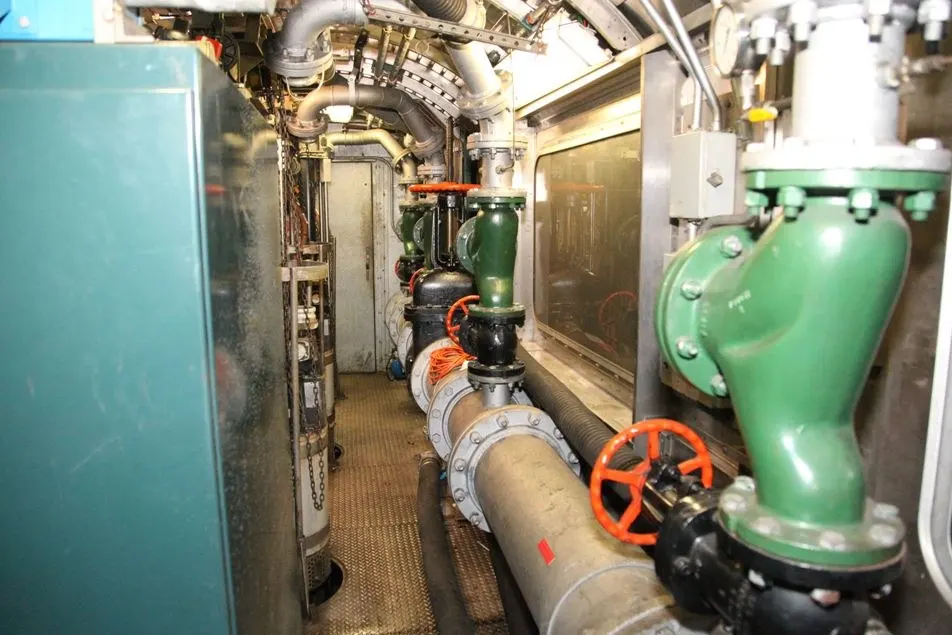
On site
The first things a competent visit gets right
Septic requests from Seattle are routed to independent licensed professionals who already cover King County and reach Mercer Island on the same run. Where septic is permitted work, the permit is pulled with Seattle Department of Construction and Inspections (SDCI) by the licensed contractor, not by the homeowner. Roughly 64 ZIP codes fall inside the Seattle routing boundary, and a metro that size usually has several contractors bidding on this work. The statewide view of septic system services explains the job in full, and Seattle is one of 68 markets served by licensed plumbers in Washington. Published ranges are on the septic costs page.
- 1
Tank is located, uncovered and sludge and scum layers are measured
- 2
Baffles, filter and lid condition are inspected
- 3
Pumping interval is set from household size and tank volume
Price drivers
What changes the price in Seattle
Seattle is a large market, so there are usually several contractors bidding, which tends to compress routine pricing and widen the spread on emergency call-outs.
- 01
Access — whether the lid is at grade or must be excavated
- 02
Whether the effluent filter, baffles or lid need replacing
- 03
Distance the pumper must travel and local disposal fees
- 04
Whether the drain field has failed, which is a different scale of job
Coverage for septic in Seattle
Seattle sits in King County with a population of about 780,995. Requests from these 64 ZIP codes are routed to professionals covering the Seattle area; local numbers use area codes 206, 253, 425.
- 98101
- 98102
- 98103
- 98104
- 98105
- 98106
- 98107
- 98108
- 98109
- 98111
- 98112
- 98113
- 98114
- 98115
- 98116
- 98117
- 98118
- 98119
- 98121
- 98122
- 98124
- 98125
- 98126
- 98127
- 98129
- 98131
- 98132
- 98133
- 98134
- 98136
- 98138
- 98139
- 98141
- 98144
- 98145
- 98146
- 98148
- 98151
- 98154
- 98155
- 98158
- 98160
- 98161
- 98164
- 98165
- 98166
- 98168
- 98170
- 98171
- 98174
- 98175
- 98177
- 98178
- 98181
- 98184
- 98185
- 98188
- 98189
- 98190
- 98191
- 98194
- 98195
- 98198
- 98199
Before you sign
What to ask a Seattle contractor first
- 01
Does the pumper hold the state septic hauler permit, and where is the waste manifested for legal disposal?
- 02
What signs of drain field failure were observed, because ponding or lush growth over the field changes the entire plan?
- 03
How many gallons does the tank hold, and what pumping interval suits the household size and the current sludge depth?
Before anyone touches a pipe
Verify the license. It takes two minutes.
- Who licenses the work: Washington State Department of Labor & Industries (L&I).
- Who pulls the permit: Seattle Department of Construction and Inspections (SDCI) — the licensed contractor, never the homeowner.
- What to ask for: the license number, the registered name behind it, and an insurance certificate issued to the property address.

Answers first
Septic in Seattle — common questions
How often does a septic tank need pumping?
For most households, every 3–5 years, but it is driven by tank volume and occupancy rather than the calendar. A household of five on a small tank may need it more often than a couple on a large one.
What must never go into a septic system?
Wipes of any kind including 'flushable' ones, grease, paint, solvents, harsh drain chemicals and excessive bleach. The system depends on live bacteria — anything that kills them or will not break down shortens the drain field's life.
Is a septic backup an emergency?
Treat sewage entering the building as urgent for health reasons. Stop using water in the house immediately, since every gallon added makes it worse, and get a licensed pumper or plumber out.
Do I need a permit for plumbing work in Seattle?
Permits in Seattle are issued by Seattle Department of Construction and Inspections (SDCI). As a rule, water heater replacement, gas work, sewer laterals and repiping are permitted work, while a like-for-like faucet or disposal swap usually is not. A licensed contractor pulls the permit — if one offers to skip it, that is the signal to stop.
Does calling create any obligation to hire?
None. A call or a callback request is a conversation, not a contract. Scope, timing and price are only agreed if you decide to proceed with the professional handling Seattle.
Are night and weekend calls handled differently in Seattle?
Requests route around the clock, but most contractors price after-hours work differently. Ask for the after-hours rate and a committed arrival window before agreeing to a dispatch.
What information speeds up a septic callback?
Three things: where the water or problem is showing, whether the supply is shut off, and the property type — slab, crawl space or basement. With those, a pro covering Seattle can triage the urgency and bring the right parts.
How should a septic quote be compared?
Line by line against scope: what is included, what is excluded, who pulls the permit, and whether haul-away and restoration are inside the number. The cost guides on this site list published third-party ranges so any quote can be sanity-checked.
Nearby
Septic in cities near Seattle


Get connected
Septic in Seattle
Send the essentials — problem, ZIP, number. Routing finds the independent licensed pro for Seattle, and the license register link is right on this page.
- Requests handled around the clock
- An independent licensed pro calls you back
- No obligation to hire
Prefer a call back?
Thirty seconds now — an independent licensed plumber calls you back.
Request received
It has been routed to an independent licensed professional covering your area — they will call you back on the number you entered.
Keep reading
Related pages
-

Statewide
Septic System Services across Washington
-

Cost guide
Septic cost ranges in Washington
-

Seattle
All plumbing services in Seattle