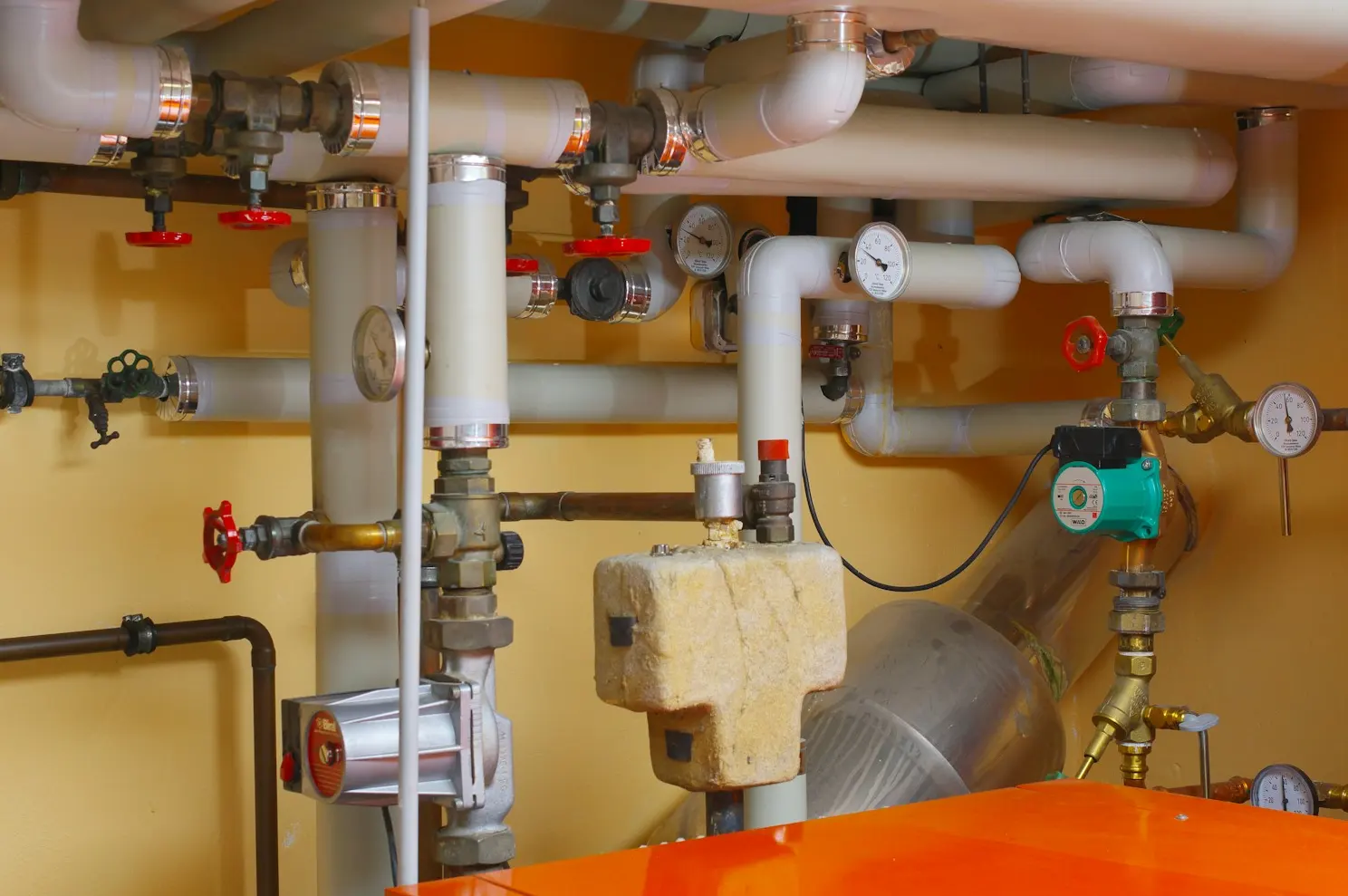
When to call
Signs commercial plumbing is the right call in Seattle
- Grease trap alarms, odor or a failed health inspection item
- Backflow assembly test due or failed
- Recurring main-line backups in a multi-tenant building
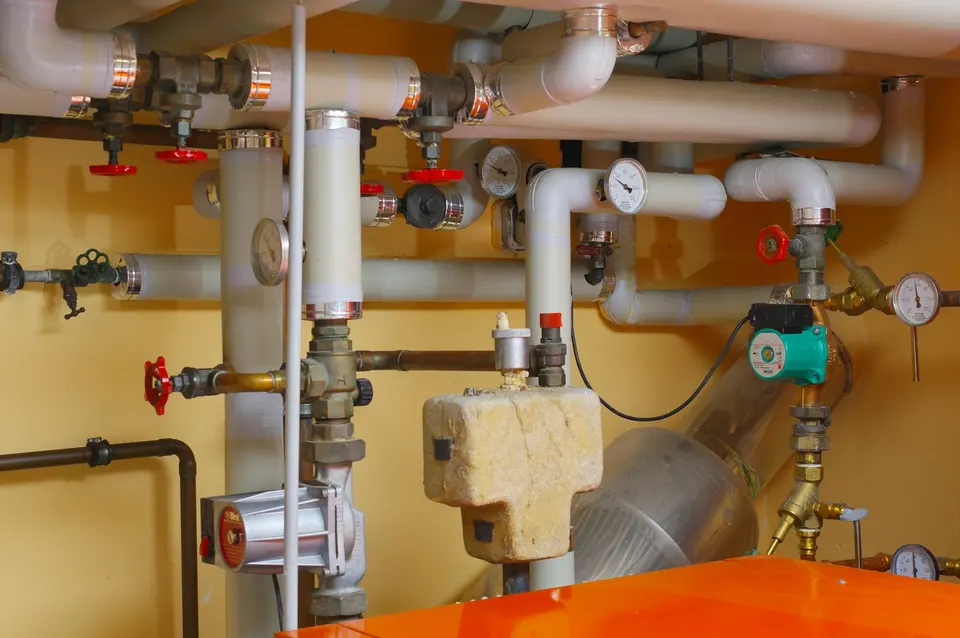
On site
The first things a competent visit gets right
Commercial requests from Seattle are routed to independent licensed professionals who already cover King County and reach Mercer Island on the same run. Where commercial is permitted work, the permit is pulled with Seattle Department of Construction and Inspections (SDCI) by the licensed contractor, not by the homeowner. Roughly 64 ZIP codes fall inside the Seattle routing boundary, and a metro that size usually has several contractors bidding on this work. The statewide view of commercial plumbing explains the job in full, and Seattle is one of 68 markets served by licensed plumbers in Washington. Published ranges are on the commercial costs page.
- 1
Scope is defined against the building's occupancy and code class
- 2
Work is scheduled around operating hours to limit downtime
- 3
Test reports and compliance documentation are provided
Price drivers
What changes the price in Seattle
Seattle is a large market, so there are usually several contractors bidding, which tends to compress routine pricing and widen the spread on emergency call-outs.
- 01
Compliance documentation — backflow reports, grease trap manifests
- 02
Tenant coordination and access constraints
- 03
Building type and code classification
- 04
Whether work must be done after hours to avoid closure
Coverage for commercial in Seattle
Seattle sits in King County with a population of about 780,995. Requests from these 64 ZIP codes are routed to professionals covering the Seattle area; local numbers use area codes 206, 253, 425.
- 98101
- 98102
- 98103
- 98104
- 98105
- 98106
- 98107
- 98108
- 98109
- 98111
- 98112
- 98113
- 98114
- 98115
- 98116
- 98117
- 98118
- 98119
- 98121
- 98122
- 98124
- 98125
- 98126
- 98127
- 98129
- 98131
- 98132
- 98133
- 98134
- 98136
- 98138
- 98139
- 98141
- 98144
- 98145
- 98146
- 98148
- 98151
- 98154
- 98155
- 98158
- 98160
- 98161
- 98164
- 98165
- 98166
- 98168
- 98170
- 98171
- 98174
- 98175
- 98177
- 98178
- 98181
- 98184
- 98185
- 98188
- 98189
- 98190
- 98191
- 98194
- 98195
- 98198
- 98199
Before you sign
What to ask a Seattle contractor first
- 01
Which compliance documents will be issued — backflow reports, grease trap manifests, test certificates — because health inspectors request them later?
- 02
What liability and workers compensation limits does the contractor carry, since most commercial landlords set minimum coverage requirements?
- 03
How does the lease split responsibility between landlord and tenant for this repair, as that determines who authorizes the work?
Before anyone touches a pipe
Verify the license. It takes two minutes.
- Who licenses the work: Washington State Department of Labor & Industries (L&I).
- Who pulls the permit: Seattle Department of Construction and Inspections (SDCI) — the licensed contractor, never the homeowner.
- What to ask for: the license number, the registered name behind it, and an insurance certificate issued to the property address.
Answers first
Commercial in Seattle — common questions
How is commercial plumbing different from residential?
Larger pipe sizing, different code classifications, mandated devices like grease interceptors and testable backflow assemblies, documented compliance reporting, and the fact that downtime has a direct revenue cost. Not every residential contractor is set up for it.
How often does a grease trap need service?
It is set by local health regulation and by how fast the trap fills — many jurisdictions require documented service on a fixed interval with retained manifests. Check your local requirement rather than waiting for an odor complaint.
Who handles backflow testing?
A tester with a state or water-purveyor backflow certification, which is a separate credential from a plumbing license. Most water purveyors require an annual test with the report filed directly with them.
Do I need a permit for plumbing work in Seattle?
Permits in Seattle are issued by Seattle Department of Construction and Inspections (SDCI). As a rule, water heater replacement, gas work, sewer laterals and repiping are permitted work, while a like-for-like faucet or disposal swap usually is not. A licensed contractor pulls the permit — if one offers to skip it, that is the signal to stop.
Does PlumberWashington charge homeowners anything?
No. PlumberWashington may be compensated by a partner when a homeowner connects with a professional through the site. That never changes what the contractor charges for the job.
Does calling create any obligation to hire?
None. A call or a callback request is a conversation, not a contract. Scope, timing and price are only agreed if you decide to proceed with the professional handling Seattle.
Are night and weekend calls handled differently in Seattle?
Requests route around the clock, but most contractors price after-hours work differently. Ask for the after-hours rate and a committed arrival window before agreeing to a dispatch.
What information speeds up a commercial callback?
Three things: where the water or problem is showing, whether the supply is shut off, and the property type — slab, crawl space or basement. With those, a pro covering Seattle can triage the urgency and bring the right parts.
Nearby
Commercial in cities near Seattle
Get connected
Commercial in Seattle
Send the essentials — problem, ZIP, number. Routing finds the independent licensed pro for Seattle, and the license register link is right on this page.
- Requests handled around the clock
- An independent licensed pro calls you back
- No obligation to hire
Prefer a call back?
Thirty seconds now — an independent licensed plumber calls you back.
Request received
It has been routed to an independent licensed professional covering your area — they will call you back on the number you entered.
Keep reading
Related pages
-

Statewide
Commercial Plumbing across Washington
-

Cost guide
Commercial cost ranges in Washington
-

Seattle
All plumbing services in Seattle